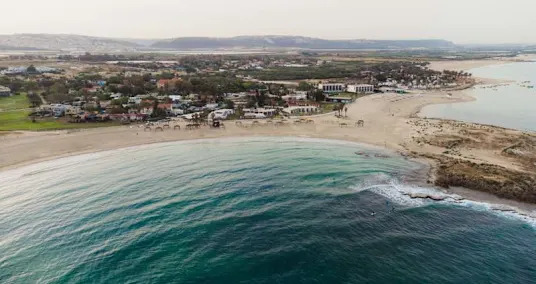
The discovery was made in an ancient shipwreck in the Dor Lagoon near the Carmel Coast, where archaeologists recovered nine pieces of unprocessed iron known as “blooms.”
Researchers from the University of Haifa said Wednesday that an underwater excavation off Israel’s northern Mediterranean coast uncovered what they described as the earliest known cargo of raw iron transported by ship, dating back around 2,600 years, Xinhua reported.
The discovery was made in an ancient shipwreck in the Dor Lagoon near the Carmel Coast, where archaeologists recovered nine pieces of unprocessed iron known as “blooms.” According to the university, the find provides direct evidence of how iron was transported in its earliest commercial stages.
The material was preserved in its original form, having solidified directly in a smelting furnace without undergoing forging or further refinement. Researchers said this distinguishes the cargo from later iron artifacts that typically show signs of shaping or tool-making.
Unlike copper and bronze, which could be melted into liquid form in ancient production processes, iron was heated with charcoal to produce a solid, porous mass. That mass was generally hammered to remove impurities and create denser material suitable for tools and implements.
The recovered blooms showed no indication of that secondary processing stage, suggesting they were transported immediately after production.

Earliest iron shipment discovered in ancient Mediterranean wreck
To determine the age and condition of the cargo, researchers conducted microscopic and chemical analyses.
Radiocarbon dating was also carried out on charred wood embedded in one of the pieces, helping confirm the timeline of the shipment. The findings were published in the journal Heritage Science.
Researchers said the cargo indicates that iron was being moved in raw form from production sites to other locations for further processing, pointing to a level of specialization in ancient manufacturing and trade networks in the Mediterranean.
The University of Haifa said the discovery provides new insight into early iron production and distribution practices in the region.
LATEST POSTS
- 1
 Kate Middleton and Prince William unveil annual family Christmas card photo with George, Charlotte and Louis
 - 2Oil magnate’s Venezuela detainment spooks industry
- 3Instructions to Shield Your Gold Speculation from Possible Dangers: Fundamental Protections
- 4When fake data is a good thing – how synthetic data trains AI to solve real problems
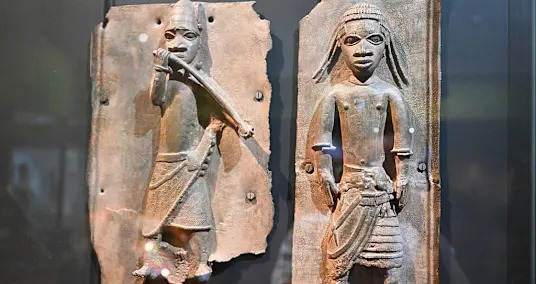
- 5Germany to create restitution council to return colonia-era acquired cultural artefacts




- Figure out How to Amplify the Resale Worth of Your Kona SUV
- Blue Origin launches New Glenn rocket on company's first NASA-scale science mission
- Vote In favor of Your Favored Web-based Visual depiction Administration
- Man threatens attack on German high-speed train, injures several
- 6 Popular Ladies' Aromas On the planet
- What's changing about healthcare in 2026 — Medicare, Medicaid, ACA, premiums, and enrollment deadlines
- Far-right German youth group delegates seek deportations, remigration
- South Korea president says Iran war shows the need to ditch ‘extremely risky’ fossil fuels
- Hypothermia claims newborn in Gaza and more babies are at risk, doctor says