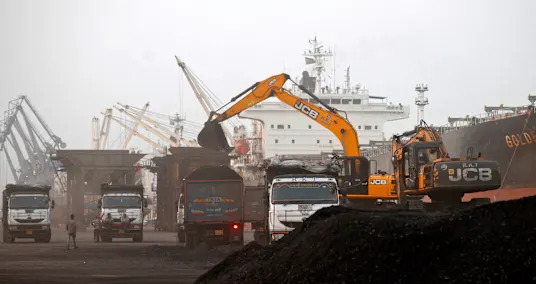
India’s much-delayed 2035 climate plan underestimates the country’s clean energy potential and allows for an acceleration of emissions growth, according to analysts. The plan aims to reduce the emissions intensity of its GDP by 47% from 2005 levels and increase the share of its electricity capacity from nonfossil sources to 60% by 2035.
The reduced carbon intensity target would, however, still allow India’s carbon emissions to increase by 70% over the next decade if GDP grows at a target rate of 7% per year, Lauri Myllyvirta of the Centre for Research on Energy and Clean Air told Semafor. That would translate to emissions growth of 5.5% per year, above the average rate of 3.5% over the past decade.
India is also on track to achieve its clean power capacity target well ahead of time: Its Central Electricity Authority projects that nearly 70% of power capacity will come from nonfossil sources by 2035-36.
“India’s booming clean energy industry is highly likely to deliver much faster progress than policymakers were prepared to commit to,” Myllyvirta said. Disruptions to oil and gas flows caused by the Iran war and the competitiveness of clean energy could strengthen the case for accelerating renewable deployment.



 Authorities arrest 7 bodyguards in connection with a Mexican mayor's assassination
- Building a Flourishing Business: Illustrations from Business people
- Russia Fields New Ulan-2 All-Terrain Tactical Vehicle
- Flu activity rises sharply across US with 7.5 million cases, CDC data shows
- Traveling Alone: An Excursion of Self-Disclosure
- Bad flu season getting worse; skyrocketing cases set state record
- Holden Commodore Turbo BT1 Police Interceptor Offered for Sale in Australia
- Alice Wong, founder of the Disability Visibility Project, dies at 51
- Jubilant FoodWorks to scrap Dunkin’ franchise arrangement in India